
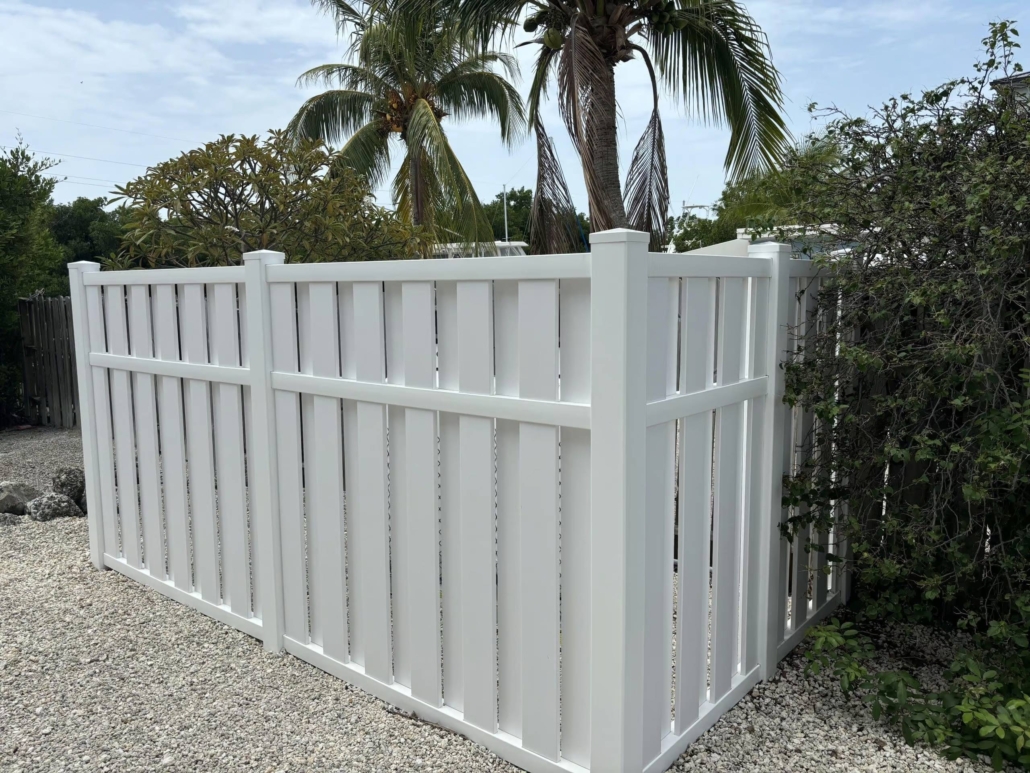
Installing a new fence can improve your property’s privacy, security, appearance, and functionality. Whether you want to create a secure backyard for your pets, define your property boundaries, or add privacy around your outdoor living space, careful preparation can make the installation process smoother.
However, choosing a fence style is only one part of the project. Before installation begins, you should consider property lines, local regulations, underground utilities, landscaping, and access to the work area.
Knowing how to prepare your yard for fence installation can help prevent unnecessary delays and allow your contractor to complete the work more efficiently.
1. Determine Your Prepare Your Yard for Fence Installation
Before preparing your yard, decide what you want your new fence to accomplish. Your intended use will influence the fence material, height, layout, and overall design.
For example, homeowners who want more privacy may prefer a solid wood or vinyl fence. Families with children or pets may prioritize a secure enclosure, while property owners who want to maintain an open view may prefer aluminum fencing.
Commercial properties may require chain-link fencing to define boundaries, protect equipment, or restrict access to designated areas.
Consider these questions before choosing a design:
- Do you need privacy or primarily a visible property boundary?
- Will the fence contain children, pets, or livestock?
- Do you want to maintain visibility across your yard?
- Will the fence include one or more gates?
- How much ongoing maintenance are you comfortable handling?
Having clear priorities helps you choose a fencing solution that suits your property and daily needs.
2. Confirm Your Property Boundaries
One of the most important steps before fence installation is determining exactly where your fence can be placed.
Never assume that an existing fence accurately marks your property line. It may have been installed in a different location, or the boundary may be affected by easements and other restrictions.
Review your property survey and consult a qualified surveyor if the boundaries are uncertain. If your property borders a neighbor’s yard, discuss the proposed fence location before work begins.
Correctly identifying the boundary can help prevent disputes, reduce the risk of costly adjustments, and ensure that the new fence is installed in the intended location.
3. Check Local Permits and Fence Regulations
Fence requirements vary by municipality and property type. Local rules may address fence height, placement near roads or sidewalks, visibility at intersections, pool safety, and other design requirements.
Homeowners’ associations may also have guidelines covering approved materials, colors, and fence styles.
Before scheduling installation, contact your local building department and review any applicable community restrictions. Confirm whether permits or approvals are necessary and who will be responsible for obtaining them.
Professional fence contractors can often help explain common installation requirements, but property owners should verify the rules that apply to their specific address.
Taking care of these details early can prevent avoidable complications once the project begins.
4. Mark Underground Utilities Before Digging
Fence installation usually involves setting posts into the ground. Digging without checking for underground utilities can damage electrical cables, water lines, gas pipes, and communication lines.
Before excavation, arrange the required utility-location service for your area and follow its instructions. In the United States, homeowners can generally begin by contacting 811 to request utility marking before digging.
Remember that public utility marking may not identify every privately owned underground line, such as certain irrigation systems or private electrical connections. Ask about any additional checks needed for your property.
Do not begin digging until the necessary utility locations have been identified and the required waiting period has been completed.
This precaution helps protect workers, property, and essential services during installation.
5. Clear the Installation Area
A clear work area makes it easier for the installation team to access the fence line and position materials.
Before installation day, inspect the proposed fence route and identify obstacles such as
- Overgrown bushes and low-hanging branches
- Garden beds and decorative landscaping
- Outdoor furniture and storage containers
- Children’s toys and pet equipment
- Debris, fallen branches, and loose materials
Move removable items away from the work area and discuss larger obstacles with your contractor before removing them.
Be especially careful around mature trees. Their roots can affect post placement, and cutting large roots may damage the tree. Your contractor can help evaluate possible adjustments to the fence layout.
You should also arrange a safe area for pets and keep children away from active construction.
6. Plan Gate Locations and Access Points
Gates are an important part of a functional fence. Before installation, consider where people, vehicles, lawn equipment, and other items will need to enter or leave the enclosed area.
A pedestrian gate may be sufficient for a small backyard, while a wider gate may be necessary for riding mowers, trailers, or commercial vehicles.
Think about how the gate will open and whether nearby landscaping, slopes, or pathways could interfere with its movement.
If you need access to a driveway, garden, pool area, or service entrance, include these requirements in your original plan. Making gate decisions before installation can help prevent inconvenient layout changes later.
7. Choose Materials That Suit Your Property
Your property’s layout, exposure to weather, maintenance requirements, and intended use should all influence your material selection.
Classic Fence of Central Florida offers several fencing options for residential and commercial properties.
Wood fencing: Wood provides a traditional appearance and can offer substantial privacy. It is available in different designs and can be customized to complement your home.
Vinyl fencing: Vinyl is a popular option for property owners who want an attractive fence with relatively low maintenance. It can be cleaned periodically without the regular staining or painting typically required by wood.
Aluminum fencing: Aluminum can provide a clean, decorative boundary while preserving visibility. It is commonly used around yards, gardens, and pool areas where an open appearance is desirable.
Chain-link fencing: Chain-link is a practical choice for many properties that need a functional boundary or secure enclosure without a solid privacy barrier.
Review the advantages and limitations of each option with your contractor before making a final decision.
8. Coordinate the Installation Schedule
Once the layout, materials, and required approvals are established, confirm the installation schedule with your contractor.
Ask what preparation is expected from you, when materials will arrive, and how workers will access the property. You should also discuss potential delays caused by severe weather, unexpected underground obstacles, or site conditions.
If an old fence needs to be removed, confirm whether removal and disposal are included in the estimate.
A written project scope helps clarify responsibilities, material specifications, payment terms, and the expected sequence of work.
Good communication before installation can reduce confusion and make the overall experience more manageable.
Get Ready for Your New Fence With Classic Fence
Preparing your yard is an important step toward a successful fencing project. Confirming property boundaries, checking local requirements, locating underground utilities, clearing obstacles, and planning gate access can help prevent common installation problems.
Classic Fence of Central Florida provides Prepare Your Yard for Fence Installation for residential and commercial properties, including wood, vinyl, aluminum, and chain-link fences. The team can help you explore suitable options based on your property’s layout, privacy needs, and intended use.
Whether you are installing a new fence or replacing an older one, professional planning can help you make informed decisions and create a boundary that complements your property.
Visit Classic Fence Online or call 407-331-0765 to discuss your fencing project and request a quote.

Leave a Reply
Want to join the discussion?Feel free to contribute!